Understanding La Niña: The Cool Sister of El Niño
Table of Contents
- Berita dan Informasi Perbedaan la nina dengan el nino Terkini dan ...
- La Nina - Pengertian, Penyebab & Dampak - Quipper Blog
- La Nina tehlikesi İzmir'in kapısına dayandı! "Ekim ve kasım aylarına ...
- Dự báo mới về thời điểm La Nina xuất hiện
- La Nina Has Officially Arrived; What Will It Mean For Southern ...
- Ini Perbedaan El Nino dan La Nina, Jangan sampai keliru!
- PAGASA: La Niña Expected 2nd Half Of 2016 | NewsFeed
- La Nina Apa - Gejolak La Nina
- La Nina Watch declared for Australia | news.com.au — Australia’s ...
- La Nina Di Indonesia Dapat Mengakibatkan | Fenomina
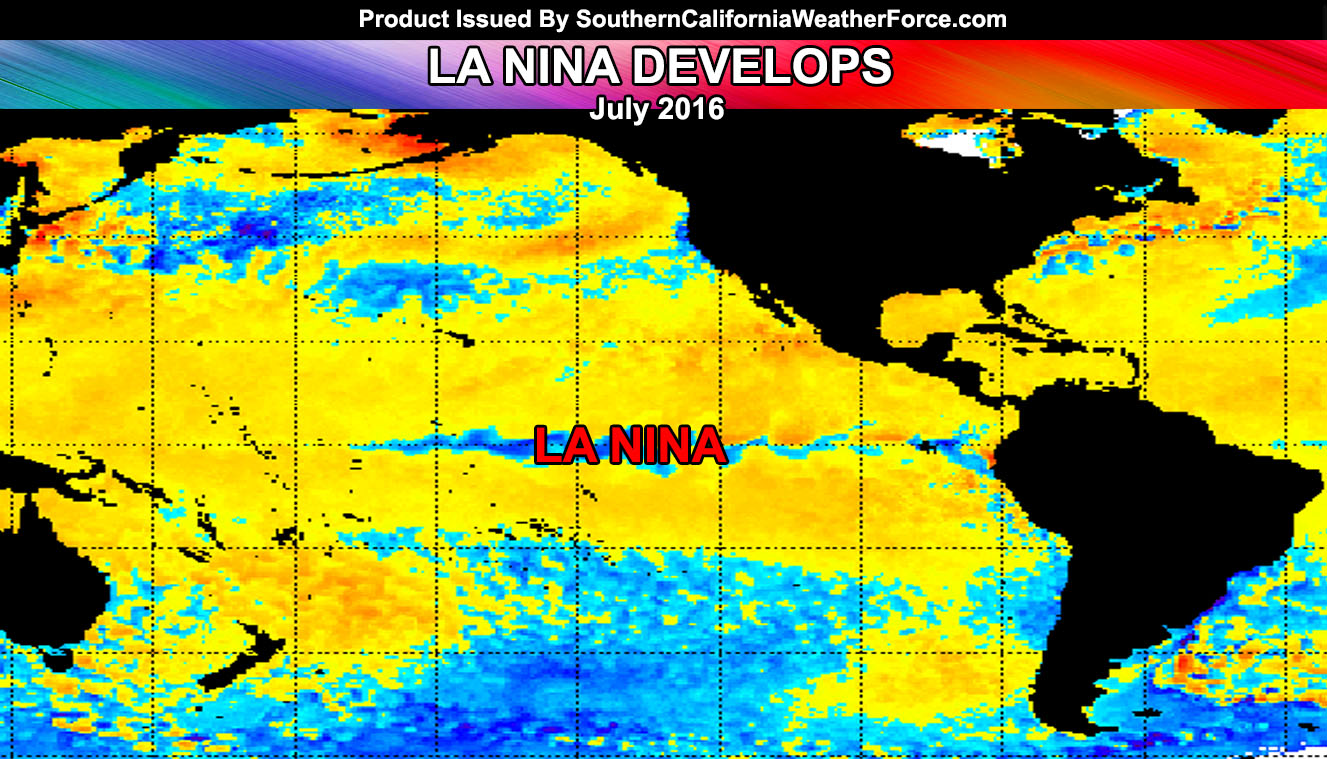
When it comes to weather patterns, few phenomena are as fascinating and influential as La Niña. As the counterpart to the more widely known El Niño, La Niña plays a significant role in shaping global climate conditions. In this article, we'll delve into the world of La Niña, exploring what it is, how it forms, and its effects on the environment.


What is La Niña?
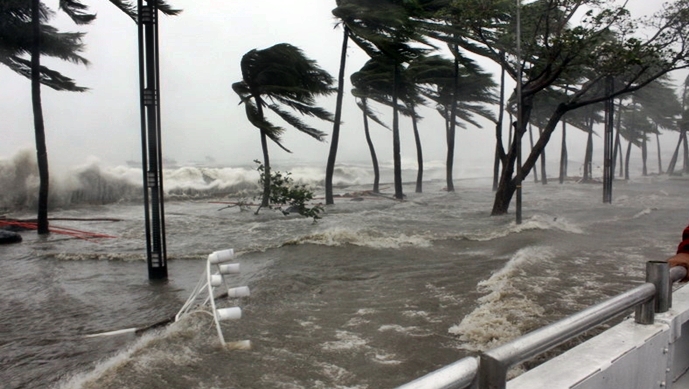
La Niña, which translates to "The Little Girl" in Spanish, is a complex weather pattern that occurs when the surface temperature of the Pacific Ocean cools down more than usual. This cooling of the ocean water affects the atmospheric pressure and circulation patterns, leading to changes in precipitation and temperature around the world. La Niña events are characterized by cooler-than-average sea surface temperatures in the central and eastern Pacific, near the equator.
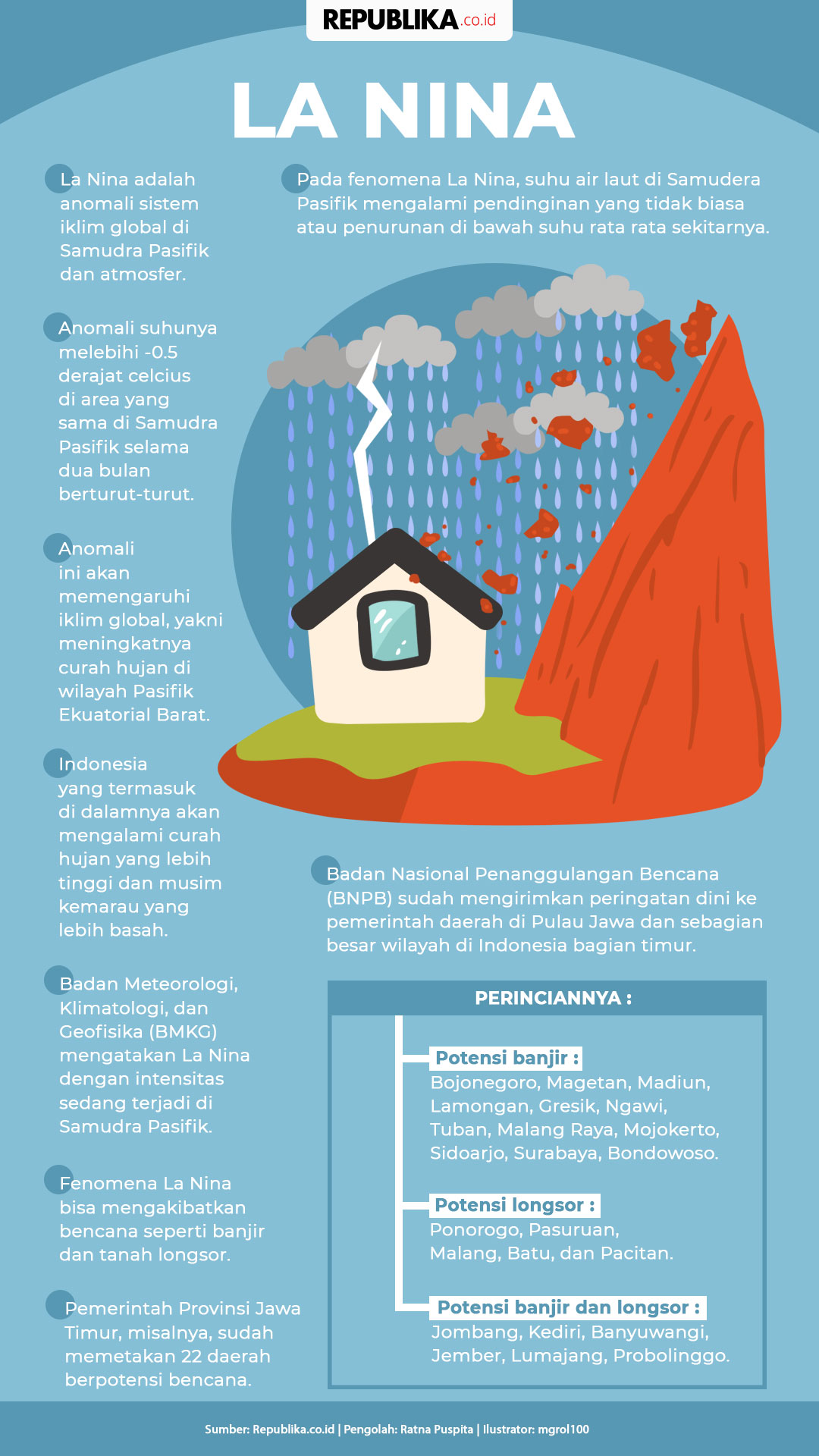
:strip_icc():format(jpeg)/kly-media-production/medias/3268526/original/074290100_1602757063-Infografis_waspada_bencana_alam_akibat_la_nina.jpg)
How Does La Niña Form?

La Niña forms when the trade winds, which blow from east to west, strengthen and push warm water towards Asia. As the warm water is pushed away, cooler water rises to the surface, replacing it. This cooling of the ocean water affects the atmosphere above, leading to changes in the jet stream and other atmospheric circulation patterns. La Niña events typically occur every 3-4 years and can last for several months to a few years.

Effects of La Niña
La Niña has significant effects on the environment and climate. Some of the notable effects include:
- Heavy Rainfall: La Niña events are often associated with heavy rainfall and flooding in the southern United States, Australia, and Southeast Asia.
- Drought: La Niña can lead to drought conditions in the northern United States, Mexico, and Central America.
- Increased Hurricane Activity: La Niña can lead to an increase in hurricane activity in the Atlantic, as the cooler ocean temperatures and changed atmospheric conditions create a more favorable environment for hurricanes to form.
- Cooler Temperatures: La Niña events are often associated with cooler temperatures in the northern hemisphere, particularly in the winter months.
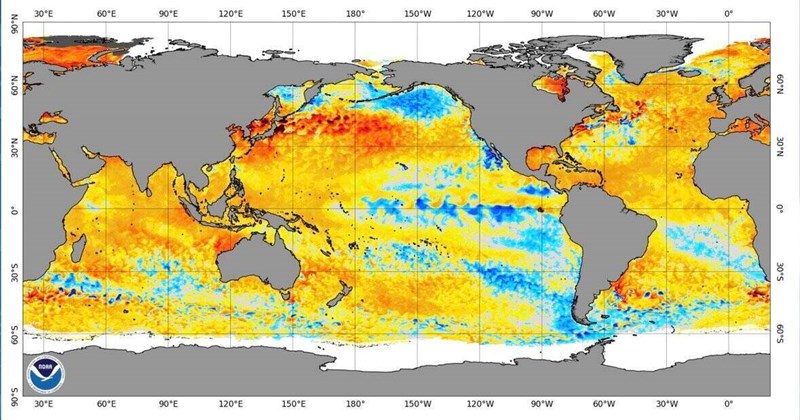
NOAA's Role in La Niña Research
The National Oceanic and Atmospheric Administration (NOAA) plays a crucial role in monitoring and researching La Niña events. NOAA's Climate Prediction Center (CPC) uses advanced computer models and data from buoys, satellites, and other sources to predict and track La Niña events. By understanding La Niña and its effects, scientists can provide critical information to help communities prepare for and respond to the impacts of this complex weather pattern.
La Niña is a fascinating and complex weather pattern that has significant effects on the environment and climate. By understanding La Niña and its effects, we can better prepare for and respond to its impacts. Whether you're a scientist, a farmer, or simply someone interested in weather, La Niña is an important phenomenon to understand. Stay informed and stay ahead of the weather with the latest research and updates from NOAA and other trusted sources.
For more information on La Niña and other weather-related topics, visit NOAA's website or check out their SciJinks page for interactive and educational resources.